Gravel Borders & Dirt Work: How They Improve Drainage and Enhance Landscaping

June 5, 2025

When it comes to managing water runoff and elevating curb appeal, gravel borders and dirt work are two of the most effective and underrated landscaping tools. While often seen as basic site prep or edge control, these simple elements serve a bigger purpose—protecting your property from drainage issues while giving it a polished, well-kept appearance. Whether you’re designing a fresh landscape or trying to fix a soggy yard, gravel and dirt might be the answer you didn’t know you needed.

Why Drainage Matters

Poor drainage doesn’t just make your yard muddy—it can lead to foundation problems, dying plants, erosion, and even flooding. Water that pools too close to your home or flows uncontrollably through your property can cause long-term damage that’s expensive to repair. That’s where gravel and dirt work come into play.

Gravel Borders: Functional and Stylish

Gravel borders are more than just decorative edges. When placed along driveways, sidewalks, garden beds, or home foundations, they act as natural drainage buffers. Gravel allows water to pass through quickly, reducing pooling and preventing soil washout. It’s especially useful near areas that collect runoff during heavy rain.


Other benefits of gravel borders include:

  • Keeping mulch and soil in place
  • Reducing weed growth along edges
  • Creating clean, defined lines between landscape features
  • Minimizing splashback on siding or fencing

Available in a variety of colors and sizes, gravel also adds texture and contrast that complements both traditional and modern landscape designs.

Dirt Work: The Foundation of a Functional Yard

Dirt work refers to grading, leveling, and reshaping soil to guide water away from structures and toward proper drainage paths. A flat yard might seem ideal, but without a slight slope away from your home, rainwater has nowhere to go. Professional dirt work creates the gentle grades needed to direct water safely off your property.


Key dirt work services include:

  • Smoothing uneven terrain
  • Creating swales or shallow ditches for runoff
  • Building raised garden beds or berms
  • Prepping land for hardscaping, planting, or sod installation

Dirt work also improves soil structure, removes unwanted debris, and sets the stage for healthy plant growth and stable surfaces.

Better Together: A Smart Combination

While gravel and dirt work are effective on their own, combining them provides a comprehensive solution. Dirt work sets the proper slope and water path, while gravel enhances those paths with extra drainage and erosion control. For example, placing a gravel trench along the bottom of a newly graded slope can capture runoff and direct it exactly where you want it to go.


This combination works especially well in problem areas like:

  • Low-lying yards prone to flooding
  • Driveway edges where the soil erodes over time
  • Garden beds that hold too much water
  • Walkways or patios that suffer from pooling

Low Maintenance, Long-Term Results

One of the best things about gravel borders and dirt work is how little upkeep they require. Once installed, they continue working in the background, managing water and supporting your landscape for years. Plus, they’re cost-effective compared to more complex drainage systems or constant replanting due to poor soil conditions.

Upgrade Your Outdoor Space with Purpose

Whether you're tackling standing water, improving plant beds, or just adding a crisp edge to your property, gravel borders and dirt work offer a lasting, low-maintenance solution.


With over a decade of hands-on experience, Allatoona Tree Company proudly serves Dallas, GA, with expert grading, dirt work, and gravel border installation. Want to improve your drainage while giving your landscape a clean, finished look? Call us today—where function meets curb appeal, one yard at a time.

December 30, 2025
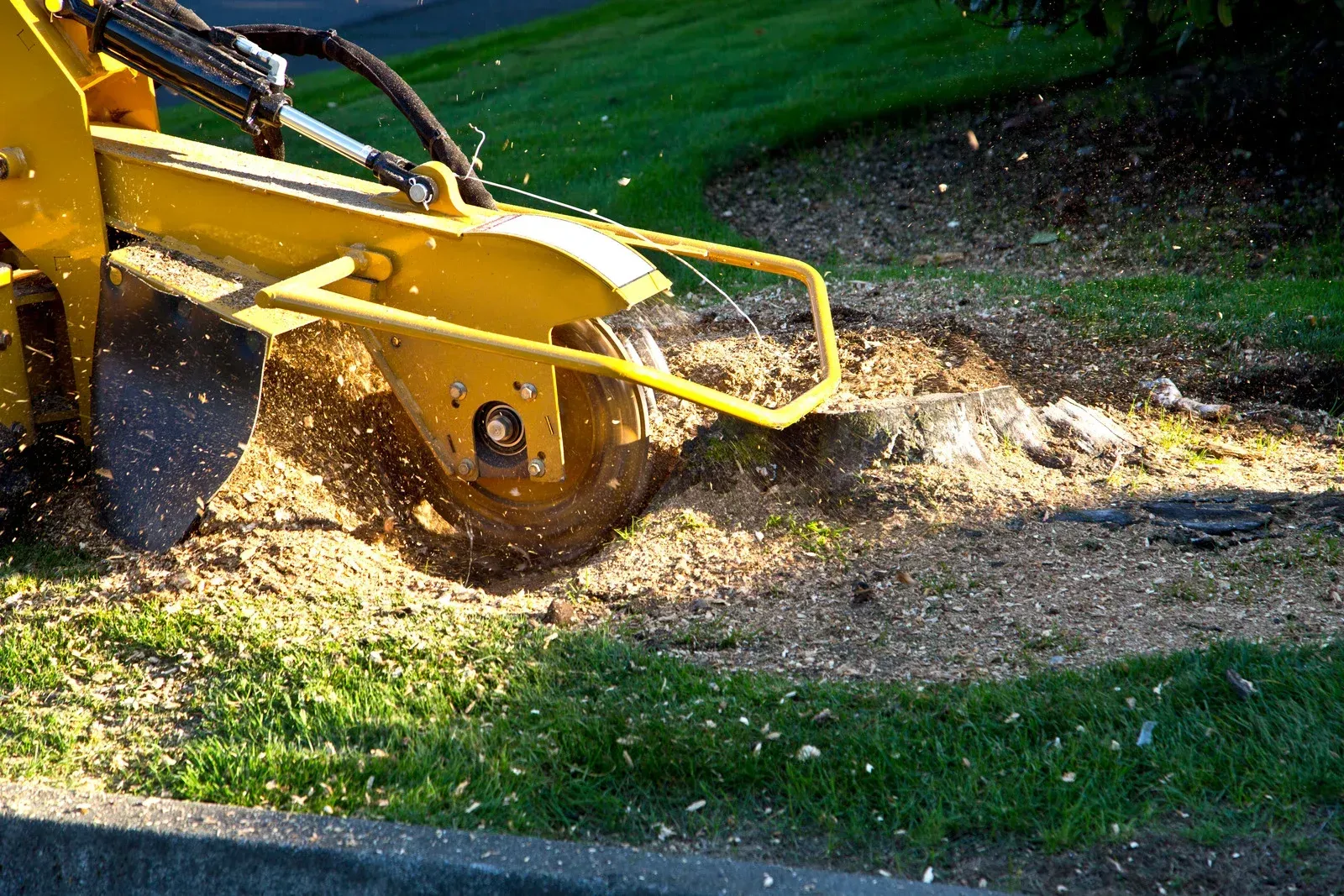
A beautifully maintained landscape is more than just an aesthetic choice; it reflects care, functionality, and long-term property value. One often overlooked element that can significantly impact the appearance and usability of outdoor spaces is tree stumps. Whether they remain from storm-damaged trees, landscaping renovations, or natural aging, stumps can obstruct design plans, create safety hazards, and invite unwanted pests. Homeowners and property managers alike are recognizing the importance of addressing this issue effectively, and stump grinding has emerged as the preferred solution. This process not only removes the visible stump but also eliminates the root system to prevent future growth or interference with surrounding landscaping.  Beyond aesthetics, stump grinding offers practical advantages. Unattended stumps can cause tripping hazards, damage lawn equipment, and hinder new planting efforts. They can also attract insects and decay, which may compromise soil health and nearby vegetation. By investing in stump grinding, property owners can reclaim usable space, enhance safety, and improve overall landscape health. Understanding the full scope of benefits, methods, and best practices associated with stump grinding allows homeowners to make informed decisions and achieve a landscape that is both beautiful and functional.
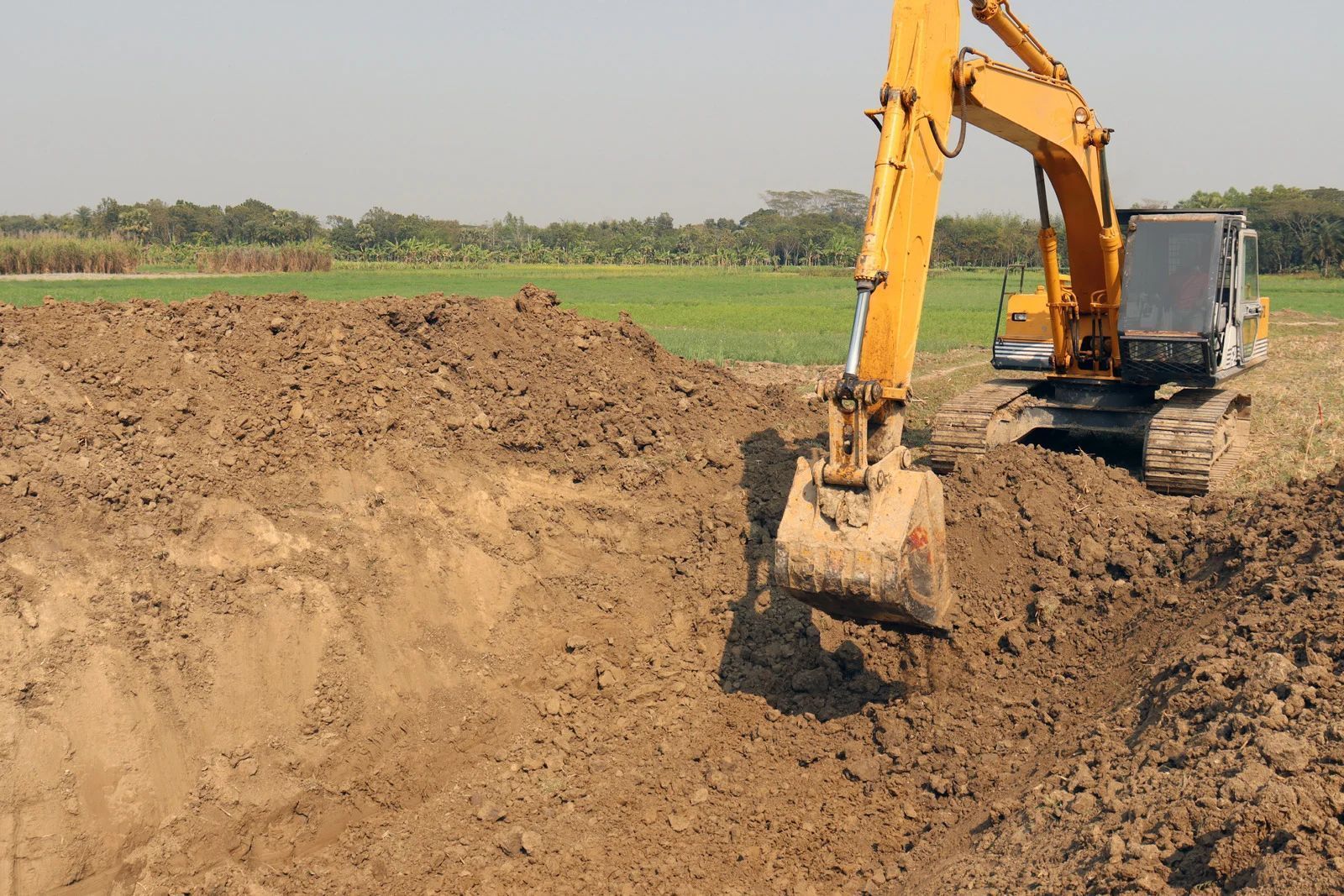
Yellow excavator digging into brown soil in a field.
November 12, 2025
Excavation is the foundation of many outdoor projects, from building a driveway to preparing land for construction or landscaping. While some homeowners consider tackling excavation on their own, the process involves far more than just digging soil.
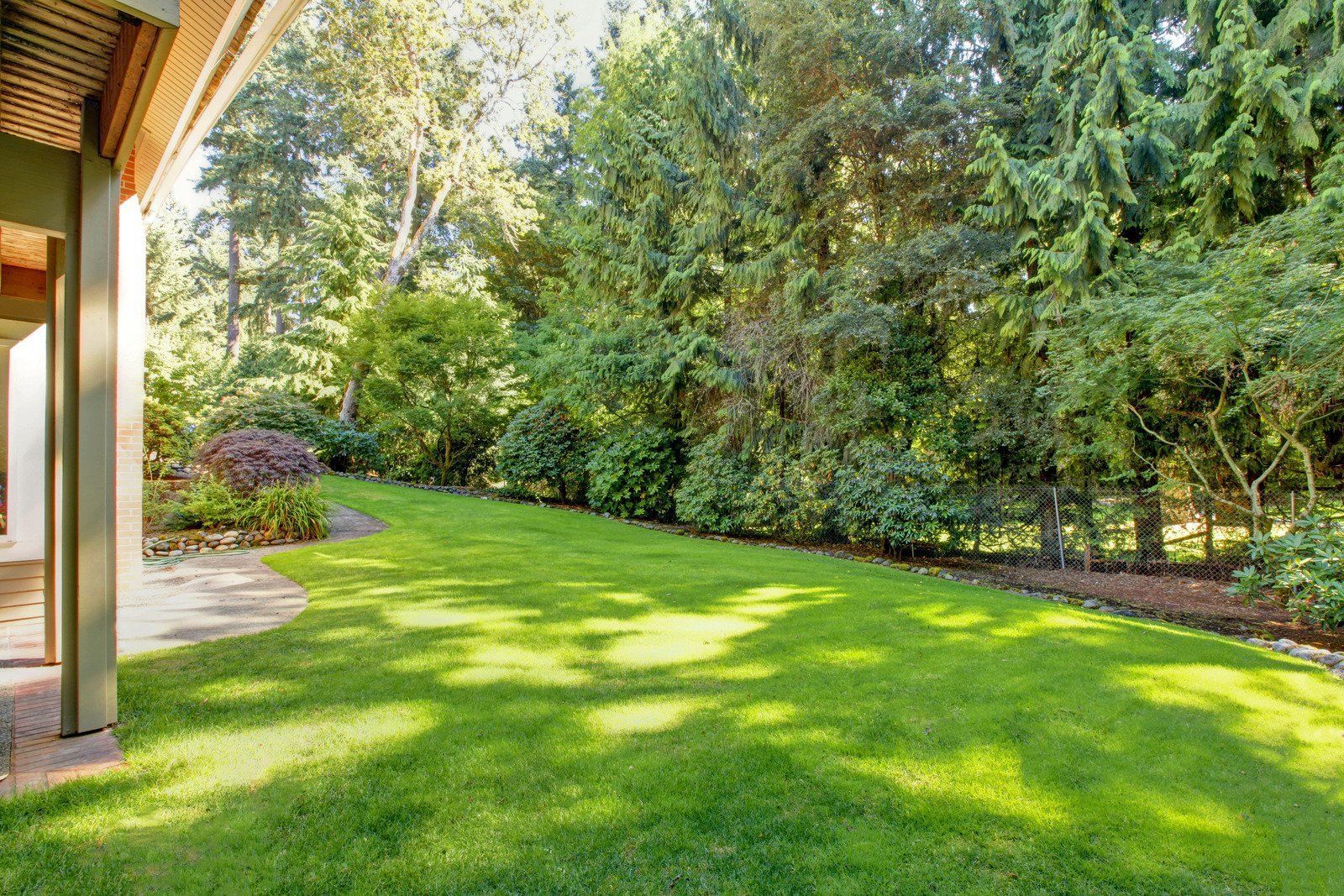
Green lawn next to a house, bordered by shrubs and trees. Sunny day.
October 4, 2025
A well-kept yard is more than just an attractive feature—it’s a reflection of the overall care given to your property. Overgrown trees, scattered debris, and neglected lawns can diminish curb appeal and even lower your property’s value. Regular yard cleaning not only enhances beauty but also ensures safety,