Small Tree Clearing: When to Remove Trees for a Safer and Healthier Landscape

September 6, 2025

While trees are a vital part of a healthy and beautiful landscape, not every tree belongs in every yard. Overgrown, diseased, or poorly placed small trees can pose safety risks, hinder property maintenance, and compromise the health of other vegetation. Understanding when to remove these smaller trees is crucial to creating a safe and thriving outdoor environment.


Small tree clearing isn’t just about aesthetics—it’s about protecting your home, optimizing growth for remaining plants, and minimizing hazards. Knowing which trees to remove and when can prevent property damage, improve visibility, and reduce fire risk. It also creates room for new plantings and opens up space for outdoor living enhancements. In this blog, we’ll explore when and why to remove small trees to maintain a safer and healthier landscape.

1. Identifying Hazardous or Unhealthy Trees

Not all trees are meant to stay forever. Some small trees may be affected by disease, pest infestations, or root damage that compromises their structural integrity. Leaning trunks, dead branches, and discolored leaves are all red flags. Additionally, trees growing too close to power lines, roofs, or foundations can become hazardous quickly. A professional assessment can determine whether the tree is salvageable or if clearing is the safest option.

2. Improving Airflow, Sunlight, and Plant Health

Overcrowded trees often compete for sunlight, water, and nutrients, resulting in a patchy and undernourished landscape. Removing smaller, excess trees helps improve airflow and light penetration, benefiting turfgrass, shrubs, and larger trees. It can also reduce the likelihood of fungal diseases and pest problems that spread more easily in shaded, moist areas.

3. Enhancing Property Aesthetics and Usability

Small tree clearing opens up your yard and allows for better landscape design flexibility. Whether you want to expand your garden, install a patio, or simply enjoy an unobstructed view, removing unnecessary or poorly positioned trees can help you reclaim usable space. It also contributes to a more polished, well-maintained look that enhances curb appeal.

4. Preparing for Storm Season or New Construction

Storm-damaged or unstable trees pose a significant hazard during high winds or heavy rainfall. Clearing vulnerable small trees before severe weather strikes can prevent costly property damage. Similarly, if you're planning a home addition, driveway installation, or new fencing, clearing obstructive trees early in the project ensures smoother construction and fewer delays.

5. Environmental Responsibility and Safety Considerations

While removing trees may seem counter to conservation, strategic clearing actually supports long-term landscape health. Hiring professionals ensures trees are removed safely, stumps are handled properly, and surrounding plant life is protected. Invasive species and non-native trees can also be targeted during clearing, giving native flora a better chance to thrive.

Trust Allatoona Tree Company for Safe and Expert Tree Clearing

For over a decade, Allatoona Tree Company has been the trusted choice for property owners in Dallas, GA, seeking safe, effective, and environmentally-conscious small tree clearing services. With 12 years of hands-on expertise and the right tools for the job, we help transform overgrown lots into clean, functional, and attractive landscapes. Whether you're addressing safety concerns or planning future development, our team delivers results that make your property healthier and safer from the ground up.

December 30, 2025
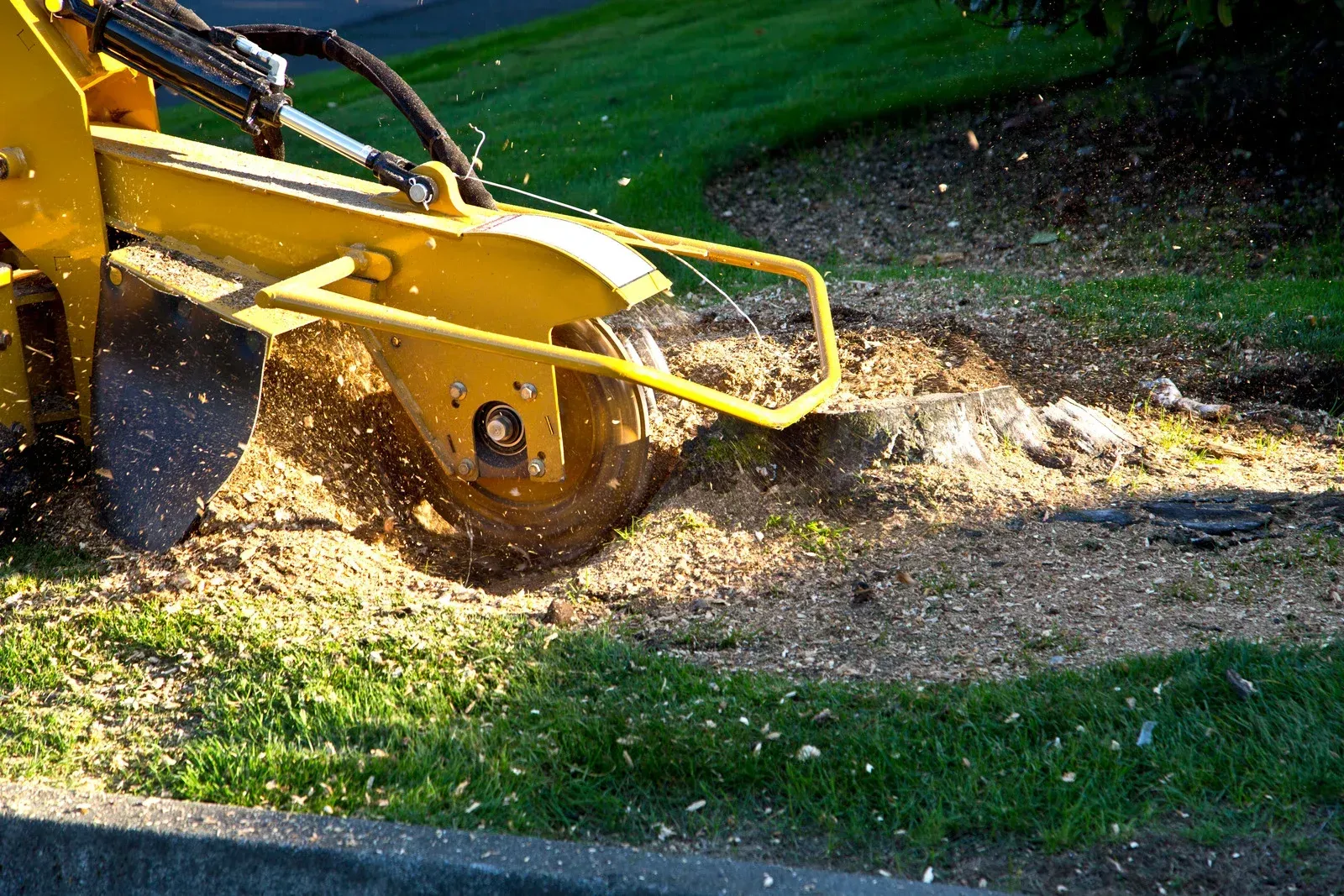
A beautifully maintained landscape is more than just an aesthetic choice; it reflects care, functionality, and long-term property value. One often overlooked element that can significantly impact the appearance and usability of outdoor spaces is tree stumps. Whether they remain from storm-damaged trees, landscaping renovations, or natural aging, stumps can obstruct design plans, create safety hazards, and invite unwanted pests. Homeowners and property managers alike are recognizing the importance of addressing this issue effectively, and stump grinding has emerged as the preferred solution. This process not only removes the visible stump but also eliminates the root system to prevent future growth or interference with surrounding landscaping.  Beyond aesthetics, stump grinding offers practical advantages. Unattended stumps can cause tripping hazards, damage lawn equipment, and hinder new planting efforts. They can also attract insects and decay, which may compromise soil health and nearby vegetation. By investing in stump grinding, property owners can reclaim usable space, enhance safety, and improve overall landscape health. Understanding the full scope of benefits, methods, and best practices associated with stump grinding allows homeowners to make informed decisions and achieve a landscape that is both beautiful and functional.
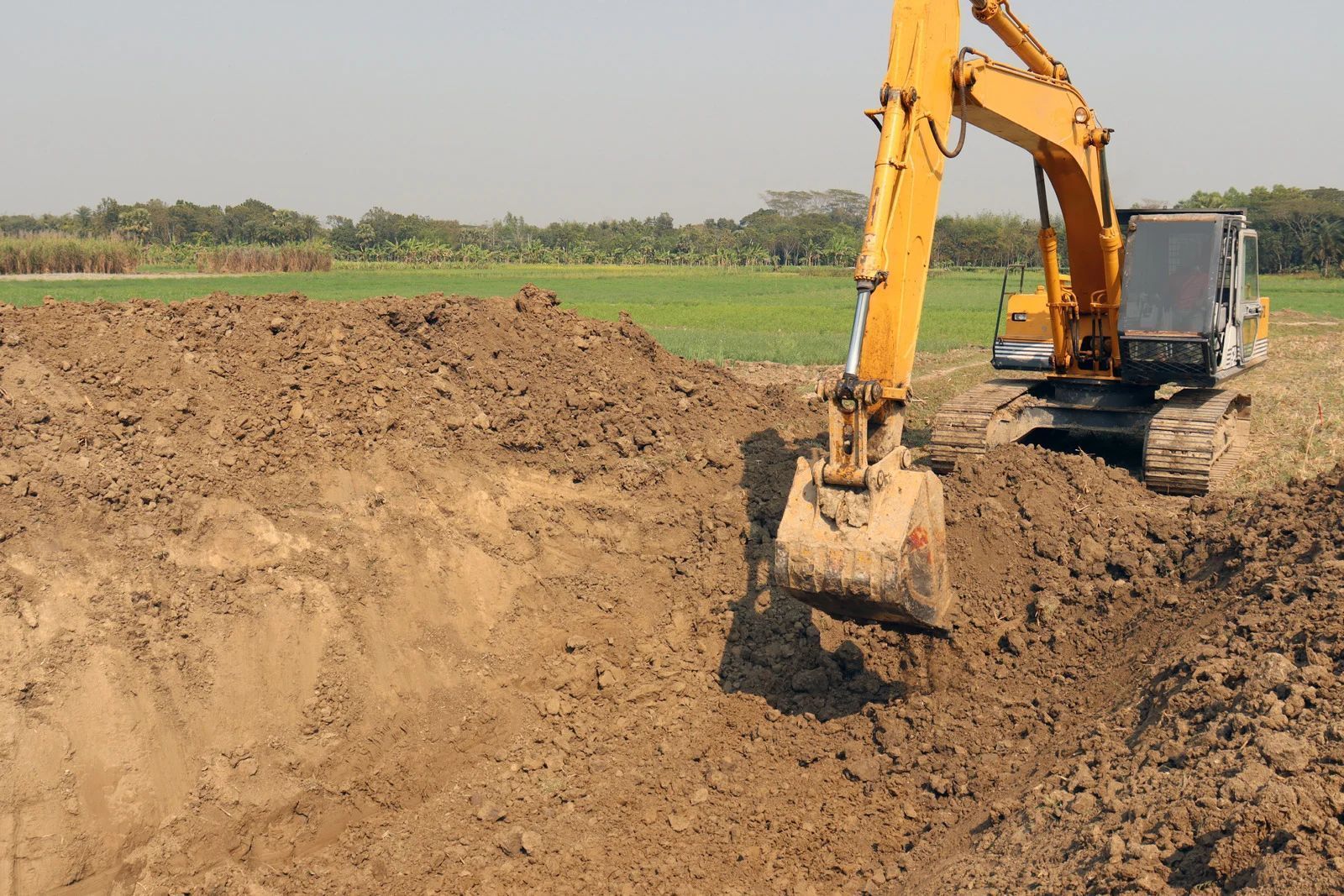
Yellow excavator digging into brown soil in a field.
November 12, 2025
Excavation is the foundation of many outdoor projects, from building a driveway to preparing land for construction or landscaping. While some homeowners consider tackling excavation on their own, the process involves far more than just digging soil.
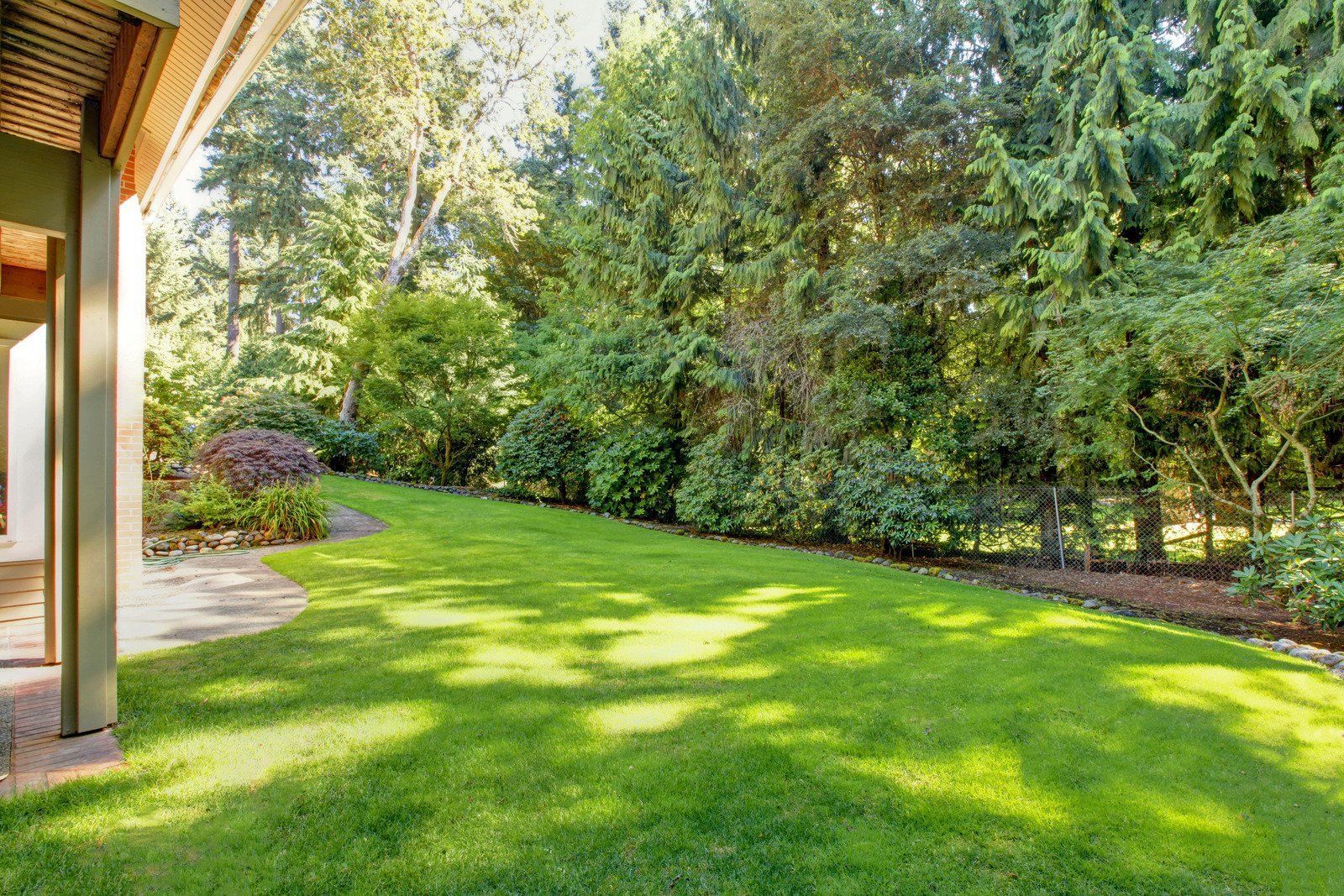
Green lawn next to a house, bordered by shrubs and trees. Sunny day.
October 4, 2025
A well-kept yard is more than just an attractive feature—it’s a reflection of the overall care given to your property. Overgrown trees, scattered debris, and neglected lawns can diminish curb appeal and even lower your property’s value. Regular yard cleaning not only enhances beauty but also ensures safety,